Connect with us

UX/UI & Webdesign

Die beliebtesten Brands in Deutschland › PAGE online


dm, LEGO und PayPal führen das Ranking 2025 an. Ein genauer Blick auf die Plätze verrät, dass Verbraucher:innen Verlässlichkeit, Marken-Sympathie, Langlebigkeit und Wertschätzung mögen.

Die beliebtesten Brands in Deutschland › PAGE online

Diese Marken kennt man alle. Große Überraschungen gibt es zwar nicht, aber es lohnt sich dennoch, einen Blick auf die beliebtesten Brands in Deutschland zu werfen.

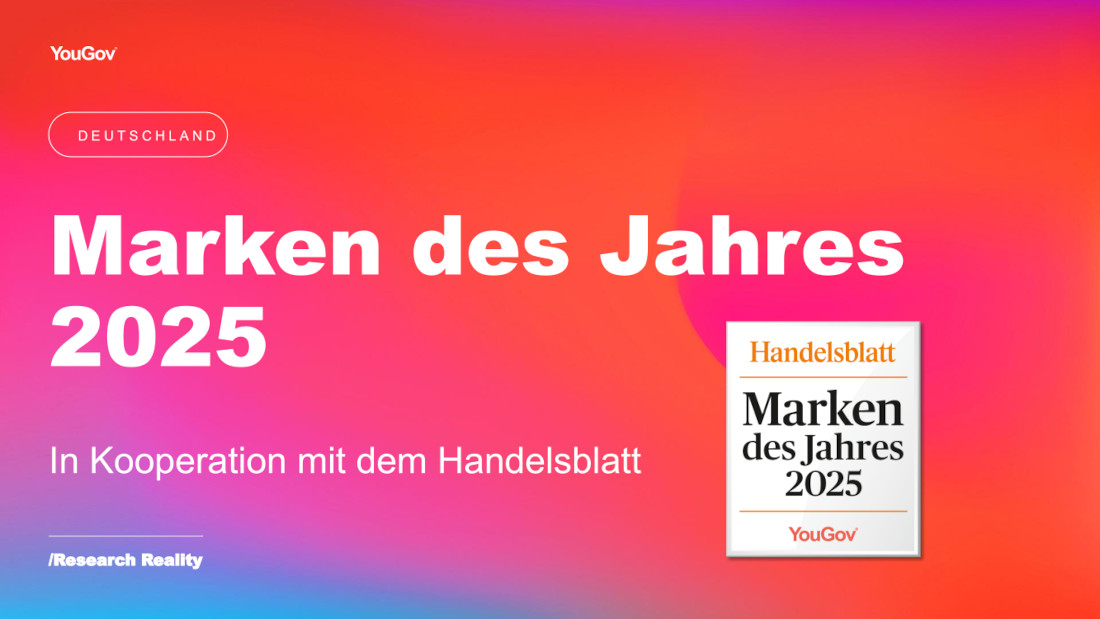
YouGov und das Handelsblatt haben die »Marken des Jahres 2025« veröffentlicht. Den ersten Platz belegt die Drogerie-Kette dm in der Gesamtauswertung, dahinter folgen LEGO und PayPal.

PayPal rutscht ab

Dass PayPal in diesem Jahr zwei Plätze nach unten gerutscht ist, könnte mehrere Gründe haben. Nachdem der Bezahldienst sich in 2024 einen frischen Markenauftritt gegönnt hatte, gab es zwar nochmal viel Aufmerksamkeit. Zumindest in der Designszene, denn das neue Design stammte aus der Feder von Pentagram-Partner Andrea Trabucco-Campos und konnte sich wirklich sehen lassen.

Dennoch muss man bedenken, dass es mittlerweile immer mehr Bezahldienste im Angebot gibt, die sich Schritt für Schritt auch auf dem deutschen Markt etablieren. Die Möglichkeiten, online zu zahlen, werden einfach immer vielfältiger.

Im Ranking zeigen sich aber hinter PayPal die alt bewährten VISA und MasterCards, gefolgt von Klarna und Amazon Pay. Klarna hat sich wie erwähnt aktuell auf dem deutschen Markt mehr etabliert und ebenso ein Marken-Refresh gelauncht.

Ein anderer Grund, warum PayPal möglicherweise zwei Plätze eingebüßt hat, könnte sein, dass es vermehrt Meldungen zu Hackings auf der Plattform gegeben hat. Accounts werden gehackt, Daten werden abgegriffen, Phishing-Mails sind im Umlauf. PayPal ist da natürlich ein großes Ziel für Cyberkriminalität. Und dennoch vertrauen viele weiterhin dieser Marke.

Alte Bekannte tummeln sich auf den ersten Plätzen

Im Ranking tauchen zudem viele andere vertraute Brands auf wie beispielsweise LEGO. Diese Marke scheint einfach zeitlos, auch wenn sich visuell nicht viel verändert hat über die Jahre.

Spannend ist auch, dass die Schokoladen-Marke Lindt so beliebt ist und unter den Snacks und Süßigkeiten Platz 2 belegt, hinter Haribo, gefolgt von Rittersport, Milka und Werther’s Original.

Lindt tauchte in diesem Jahr in einem anderen Brand-Ranking auf, und zwar unter den weltweit erfolgreichsten Food Brands! Wer sich da behaupten kann, ist also international beliebt. Die Traditionsmarke wird laut dem Ranking als »expensive but worth the price« wahrgenommen.

Im Grunde genommen stehen in diesem Deutschland-Ranking die Marken auf den ersten Plätzen, die jeder schon mal gehört hat. Es gibt kaum eine, die unbekannt ist.

Dabei sind Samsung, Bosch, adidas, DHL, Aldi, Nivea sowie Rossmann in der Gesamtwertung. Ein wenig verwunderlich, dass DHL mit dabei ist, denn eigentlich schimpfen doch alle immer auf den Versanddienst.

Bei den Banken ist ING auf Platz 1, die mit Nachhaltigkeit und Menschlichkeit wirbt. In der Telekommunikationsbranche ist es tatsächlich die Deutsche Telekom, auch hier wird doch viel gemeckert. IKEA, Fielmann, Hohes C und Krombacher sowie Tchibo, Samsung und Bosch sind auch äußerst beliebte Marken.

Das heißt, wer als Brand auf Verlässlichkeit, Marken-Sympathie, Langlebigkeit und Wertschätzung setzt, ist weiter vorn bei den Verbraucher:innen.

Das gesamte Ranking gibt es zum Download.


Source link

UX/UI & Webdesign

Teilnahmeaufruf: European Design Awards 2026


Bis zum 13. Februar 2026 können beim European Design Awards wieder Projekte und Arbeiten eingereicht werden. Anders als bei kommerziellen Designwettbewerben werden bei den European Design Awards keine Auszeichnungsgebühren erhoben.

Die European Design Awards (ED-Awards) werden alljährlich und seit 2007 von einem Verbund europäischer Fachmagazine organisiert und prämiert. Die Jury setzt sich aus Designjournalisten, Herausgebern und Redakteuren der Branche zusammen, die sich täglich mit der Bewertung von Grafikdesign beschäftigen. Das sorgt für eine ausgewogene geografische Mischung, damit kulturelle, geschichtliche und sprachliche Aspekte berücksichtigt werden. Darüber hinaus werden die Ergebnisse in jedem europäischen Land in den jeweiligen Fachmedien publiziert – eine Reichweite, die sich für die Sieger des Wettbewerbs lohnt und den Bekanntheitsgrad über die Landesgrenzen hinaus steigert.

Abgesehen von den moderaten Teilnahmegebühren (Profis: 169,00 Euro / 135,20 Euro ab 5 Einreichungen / Studierende: 40,00 Euro) kommen auch im Falle einer Auszeichnung keine weiteren Kosten auf die Einreicher zu. Das garantiert, dass auch wirtschaftlich schwächere Regionen Europas sowie kleinere Studios und Freelancer im Wettbewerb vertreten sind – die Qualität der Arbeiten steht immer im Mittelpunkt. Eine gute Gelegenheit im fairen Wettstreit um die beste Designlösung einen namhaften Designpreis abzuräumen.

Die Einreichfrist für die ED Awards 2026 endet am 13. Februar. Eingereicht werden können Arbeiten in insgesamt 47 Kategorien.

Alle Infos zum Wettbewerb gibt es unter:


Source link

Weiterlesen

UX/UI & Webdesign

»The typographic work of any generation builds on what came before« › PAGE online


Following-up on Monotype´s report about typography use in Social Media, we spoke to Creative Type Director Tom Foley about cultural shifts between generations and his most important takeaways from the project

»The typographic work of any generation builds on what came before« › PAGE online Younger Generations are more receptive and critical when it comes to their usage of typography – even on Social Media. Monotype explores this phenomenon with a research project that is part of the company´s approach to build  a bigger picture of typography within culture, social life and global developments. We featured the new fonts, feels & reels report on PAGE Online and in print and are now following up with Creative Type Director Tom Foley.

Tom has been with Monotype since 2018 and is now leading a team of type designers in creating new fonts for Monotypes libraries and clients. We discussed the impact of the report for his work, and his reception of the ever developing type trends on Social Media.

PAGE: Starting with the Re:Vision type report, Monotype has aimed to discuss typography within a cultural and global context. From your unique perspective: what makes type relevant to pop culture in 2026?

Tom Foley: I believe that typefaces and typography are, and have always been, both an ingredient and an output of pop culture. Every piece of mass-consumed music, film, fashion, social media, toys, food, beverages, furniture, cars, devices… all use typefaces and typography as key elements of their brand, information systems, content, and product experience.

At the same time, typeface designers respond to pop culture to inspire new font designs. Every generation, technological leap, and new music genre has its own distinct typographic styles that reflect the ethos and vibe of the time. I can’t imagine our pop-culture world without the expressive and communicative capabilities of type, and it’s hard to imagine typographic culture without the influence of pop-culture.

The new study shows that Millennials and Gen Z are much more receptive to font choice on social than older generations. Where does that difference come from?

From my perspective as both a type designer and a Millennial, I think this reflects a few factors. Millennials and Gen Z are digitally native groups. We’ve spent most of our lives looking at screens every day, and a huge amount of what we look at on those screens is typographic — emails, social posts, captions, news, work documents. These generations have been exposed to typography. Not just as a form of reading, but also as a form of writing. They write more with typographic letters than with handwriting.

In all the places where we now use type as writing, we also have a choice of fonts. Making a typographic choice, even in something as mundane as an email, requires some level of critical thinking and personal opinion about the options available. I think this is where Millennial and Gen Z receptiveness to typefaces comes from.

Trends & Gens

Even beyond social media, Gen Z is known for breaking quite a few type rules and experimenting with everything – from 3D to AI generated type. Are there some social media type trends that are specific to other generations?

I think every generation or era develops its own distinct typographic style, usually as a result of broader cultural trends meeting new technologies.

Gen Z is establishing its own typographic voice through experimentation with the existing and emerging tools available to them. This is the ever-present creative impulse at work and what drives new, sometimes weird and sometimes wonderful, typographic expression.

But in many respects, the typography of the last 20 years has been conservative, with retro twists here and there. Digital product-design standards and preferences lean toward functional sans-serif typefaces. Recent trends in Fast-Moving Consumer Goods (FMCG) and consumer brands are very retro in their typographic expression — high-contrast serifs that wouldn’t feel out of place in the 1970s or 1980s.

The best typographic work of any generation builds on what came before: combining quality craft and visual balance with new ideas about how to design and use letterforms in new environments.

Aside from AI and 3D — which so far have produced lots of hype with some interesting outputs — a major shift has come from the emergence and rollout of variable fonts on the web, where their technical potential is beginning to be realized. Alongside this, we’re seeing the creation of more high-quality typefaces for complex script systems such as Arabic, Indic writing systems, Chinese, Japanese, and Korean.

It’s this melting pot that excites me most about the next generation of typographic designers — where AI combined with variable fonts will help reduce design time and enable greater abundance of typefaces for complex writing systems, which have historically been chronically underserved.

Is there a type trend that fascinates you? And can Social Media act as an inspiration for your work at Monotype?

What interests and excites me are the macro technological, cultural, economic, and political forces that create the context for trends to emerge. This is also the spirit behind Fonts, Feels, & Reels.

Right now, we’re seeing a lot of instability in the world across all these macro forces, and I’m very interested in how these express themselves in design, creativity, art, music, and so on. One major topic we’re grappling with is how AI is impacting creative industries and how to manage this in a way that supports creatives and the industry at large.

A fascinating development is taking place in Ireland, where the government has trialed (and since made permanent) a basic living income for artists and creatives. This is potentially groundbreaking. It is providing 2,000 artists per year with greater financial security to create at a time when it’s very hard to be an artist, but when we also need creativity more than ever.

The cost-benefit analysis of the scheme has shown that Irish society received 1.39€ in return for every 1€ of public money invested. It’s not a perfect or fully formed policy, but it’s an inspiring development at a time when there is so much instability within the creative industries. I’m excited to see where this leads and whether other governments will adopt a similar approach.


Social media tools allow type to be used more broadly by non-professional creative users. How does that affect the way professionals design with type? Do we need to simplify some of our work and attention to detail for a wider audience, who now view themselves as creators?

I don’t think so, because a lot of design work already goes into making content creation accessible for non-designers and non-professional creators. I think we should be more ambitious and introduce more font choice and more typographic capability in social-media platforms.

We see in the survey that many people go outside these platforms when creating content because the built-in typographic options are so limited.

This points to a higher level of design awareness and capability in the mainstream population than many realise. Tools like Canva are already raising the bar on design awareness among non-professional creators by making it easy to produce visually appealing assets of an acceptable design standard.


Monotype´s Research on Type

The report also mentions local differences in the perception of type. Was there something that stood out to you?

Yes — respondents from Brazil showed a much higher appreciation for type as a form of expression. Across every age group, Brazilians consistently lead in their passion for typography.

An obvious reason is that the average age in Brazil is much lower than in the other countries we surveyed, which points to higher levels of digital literacy and more exposure to fonts as a form of writing and reading.

I’m not an expert on Brazilian design, but there is a vibrant and distinctive typographic scene in Brazil — lots of great designers doing great work — which I think reflects the culture more broadly.

How does your team at Monotype implement the insights from the report?
This report is part of the broader Monotype Re:Vision project. That project is about exploring the macro forces I mentioned earlier in order to engage with big questions directly through design and creative thinking.

We implement the outputs of Re:Vision, including the Fonts, Feels, & Reels survey, mainly by sharing these insights openly with the creative industry to spark conversations that we know will lead to new ideas and collaborations.

But there is of course commercial value in the report’s insights. I believe type is a crucial form of expression — for individuals, brands, and cultures. This report shows that there is mainstream appreciation and understanding of the role typography plays in our day-to-day lives; that people want more fonts; and that platforms investing in high-quality, diverse fonts will have an advantage.

Going into 2026: what changes in the type industry would you love to see in the next year?
More font choice on social platforms!


Source link

Weiterlesen

UX/UI & Webdesign

Und Apple hat wieder die tollste Christmas Show! › PAGE online


»Your Tree on Battersea« heißt die Aktion, mit der Apple die Gewinner:innen des ersten iPad-Weihnachtsbaumwettbewerbs auf den Türmen des ehemaligen Kraftwerks in London präsentiert. Und das 101 Meter groß!

Und Apple hat wieder die tollste Christmas Show! › PAGE online

Apple feiert erneut die Kreativität – und verbindet sie mit einer Werbeaktion für das iPad. Und mit einer, die staunen lässt.

Über die Weihnachtsbäume, die an den Türmen der Battersea Power Station leuchten. Und das 101 Meter hoch – und von iPad-Nutzer:innen, die von der 7-jährigen Miah quer durch alle Generationen reichen, von Menschen, die es lieben zu zeichnen, ob in ihrer Freizeit oder professionell und dazu sind einige Weihnachtsbäume eingesprenkelt, von eher prominenten Menschen.

Von der Sängerin Kylie Minogue, von Schauspieler Sir Stephen Fry, Rudby-Star Maro Itoje, Visual Artist Oliver Jeffers, Komiker Chawawa oder dem Künstler David Shrigley in seinem ikonischen, herrlich krakeligen und pointiertem Stil.

Leuchtende Community

Es das erste Mal, dass Apple seine Holiday Celebration für alle, die davon Teil werden wollen, öffnete. 2023 hatte Künstler David Hockney das »Bigger Christmas Trees«-Motiv auf dem iPad Pro gezeichnet, im letzten Jahr hat Wallace & Gromit-Schöpfer Aardman auf dem iPhone 16 Pro Max einen kurzen Animationsfilm gemacht.

Jetzt schreibt Apple die Community groß und, die verschiedensten Menschen zusammenzubringen. In einer Welt, die immer mehr gespalten und immer stärker von KI bestimmt wird, ist auch das eine gute Weihnachts-Botschaft.

In der ehemaligen Battersea Power Station befinden auch die britischen Headquarter des Unternehmens und ein Apple Store.

Aber die eigentliche Sensation ist natürlich, seine eigene Arbeit im Abendhimmel leuchten zu sehen. Und das 101 Meter hoch – und über die Themse hinweg bis nach Chelsea und Fulham.


Das könnte dich auch interessieren


Source link

Weiterlesen

Beliebt