
Connect with us

UX/UI & Webdesign

»The typographic work of any generation builds on what came before« › PAGE online


Following-up on Monotype´s report about typography use in Social Media, we spoke to Creative Type Director Tom Foley about cultural shifts between generations and his most important takeaways from the project

»The typographic work of any generation builds on what came before« › PAGE online Younger Generations are more receptive and critical when it comes to their usage of typography – even on Social Media. Monotype explores this phenomenon with a research project that is part of the company´s approach to build  a bigger picture of typography within culture, social life and global developments. We featured the new fonts, feels & reels report on PAGE Online and in print and are now following up with Creative Type Director Tom Foley.

Tom has been with Monotype since 2018 and is now leading a team of type designers in creating new fonts for Monotypes libraries and clients. We discussed the impact of the report for his work, and his reception of the ever developing type trends on Social Media.

PAGE: Starting with the Re:Vision type report, Monotype has aimed to discuss typography within a cultural and global context. From your unique perspective: what makes type relevant to pop culture in 2026?

Tom Foley: I believe that typefaces and typography are, and have always been, both an ingredient and an output of pop culture. Every piece of mass-consumed music, film, fashion, social media, toys, food, beverages, furniture, cars, devices… all use typefaces and typography as key elements of their brand, information systems, content, and product experience.

At the same time, typeface designers respond to pop culture to inspire new font designs. Every generation, technological leap, and new music genre has its own distinct typographic styles that reflect the ethos and vibe of the time. I can’t imagine our pop-culture world without the expressive and communicative capabilities of type, and it’s hard to imagine typographic culture without the influence of pop-culture.

The new study shows that Millennials and Gen Z are much more receptive to font choice on social than older generations. Where does that difference come from?

From my perspective as both a type designer and a Millennial, I think this reflects a few factors. Millennials and Gen Z are digitally native groups. We’ve spent most of our lives looking at screens every day, and a huge amount of what we look at on those screens is typographic — emails, social posts, captions, news, work documents. These generations have been exposed to typography. Not just as a form of reading, but also as a form of writing. They write more with typographic letters than with handwriting.

In all the places where we now use type as writing, we also have a choice of fonts. Making a typographic choice, even in something as mundane as an email, requires some level of critical thinking and personal opinion about the options available. I think this is where Millennial and Gen Z receptiveness to typefaces comes from.

Trends & Gens

Even beyond social media, Gen Z is known for breaking quite a few type rules and experimenting with everything – from 3D to AI generated type. Are there some social media type trends that are specific to other generations?

I think every generation or era develops its own distinct typographic style, usually as a result of broader cultural trends meeting new technologies.

Gen Z is establishing its own typographic voice through experimentation with the existing and emerging tools available to them. This is the ever-present creative impulse at work and what drives new, sometimes weird and sometimes wonderful, typographic expression.

But in many respects, the typography of the last 20 years has been conservative, with retro twists here and there. Digital product-design standards and preferences lean toward functional sans-serif typefaces. Recent trends in Fast-Moving Consumer Goods (FMCG) and consumer brands are very retro in their typographic expression — high-contrast serifs that wouldn’t feel out of place in the 1970s or 1980s.

The best typographic work of any generation builds on what came before: combining quality craft and visual balance with new ideas about how to design and use letterforms in new environments.

Aside from AI and 3D — which so far have produced lots of hype with some interesting outputs — a major shift has come from the emergence and rollout of variable fonts on the web, where their technical potential is beginning to be realized. Alongside this, we’re seeing the creation of more high-quality typefaces for complex script systems such as Arabic, Indic writing systems, Chinese, Japanese, and Korean.

It’s this melting pot that excites me most about the next generation of typographic designers — where AI combined with variable fonts will help reduce design time and enable greater abundance of typefaces for complex writing systems, which have historically been chronically underserved.

Is there a type trend that fascinates you? And can Social Media act as an inspiration for your work at Monotype?

What interests and excites me are the macro technological, cultural, economic, and political forces that create the context for trends to emerge. This is also the spirit behind Fonts, Feels, & Reels.

Right now, we’re seeing a lot of instability in the world across all these macro forces, and I’m very interested in how these express themselves in design, creativity, art, music, and so on. One major topic we’re grappling with is how AI is impacting creative industries and how to manage this in a way that supports creatives and the industry at large.

A fascinating development is taking place in Ireland, where the government has trialed (and since made permanent) a basic living income for artists and creatives. This is potentially groundbreaking. It is providing 2,000 artists per year with greater financial security to create at a time when it’s very hard to be an artist, but when we also need creativity more than ever.

The cost-benefit analysis of the scheme has shown that Irish society received 1.39€ in return for every 1€ of public money invested. It’s not a perfect or fully formed policy, but it’s an inspiring development at a time when there is so much instability within the creative industries. I’m excited to see where this leads and whether other governments will adopt a similar approach.


Social media tools allow type to be used more broadly by non-professional creative users. How does that affect the way professionals design with type? Do we need to simplify some of our work and attention to detail for a wider audience, who now view themselves as creators?

I don’t think so, because a lot of design work already goes into making content creation accessible for non-designers and non-professional creators. I think we should be more ambitious and introduce more font choice and more typographic capability in social-media platforms.

We see in the survey that many people go outside these platforms when creating content because the built-in typographic options are so limited.

This points to a higher level of design awareness and capability in the mainstream population than many realise. Tools like Canva are already raising the bar on design awareness among non-professional creators by making it easy to produce visually appealing assets of an acceptable design standard.


Monotype´s Research on Type

The report also mentions local differences in the perception of type. Was there something that stood out to you?

Yes — respondents from Brazil showed a much higher appreciation for type as a form of expression. Across every age group, Brazilians consistently lead in their passion for typography.

An obvious reason is that the average age in Brazil is much lower than in the other countries we surveyed, which points to higher levels of digital literacy and more exposure to fonts as a form of writing and reading.

I’m not an expert on Brazilian design, but there is a vibrant and distinctive typographic scene in Brazil — lots of great designers doing great work — which I think reflects the culture more broadly.

How does your team at Monotype implement the insights from the report?
This report is part of the broader Monotype Re:Vision project. That project is about exploring the macro forces I mentioned earlier in order to engage with big questions directly through design and creative thinking.

We implement the outputs of Re:Vision, including the Fonts, Feels, & Reels survey, mainly by sharing these insights openly with the creative industry to spark conversations that we know will lead to new ideas and collaborations.

But there is of course commercial value in the report’s insights. I believe type is a crucial form of expression — for individuals, brands, and cultures. This report shows that there is mainstream appreciation and understanding of the role typography plays in our day-to-day lives; that people want more fonts; and that platforms investing in high-quality, diverse fonts will have an advantage.

Going into 2026: what changes in the type industry would you love to see in the next year?
More font choice on social platforms!


Source link

UX/UI & Webdesign

Rebranding von Becel – Markenpflege durch Retro-Design – Design Tagebuch


Die zur Flora Food Group gehörende Marke Becel hat eine visuelle Neuausrichtung verpasst bekommen. Das Rebranding – obschon bereits im Mai 2025 angekündigt derzeit nicht durchgängig umgesetzt – steht dabei beispielhaft für den seit einigen Jahren im Konsumgüterbereich beobachtenden Trend „Back to the Roots“.

Seit Mitte 2018 gehört die Margarinenmarke Becel, ebenso wie Rama und Flora, zur Flora Food Group (ehemals Upfield). Bereits mit Rama hatte die Flora Food Group ein Jahr später gezeigt, welche Strategie das Unternehmen im Margarinegeschäft in Sachen Markenkommunikation verfolgt, nämlich die Rückbesinnung zu früheren Designs und vertrautem Story Telling. So kehrte 2019 das Rama-Mädchen auf die Verpackungen zurück.

Die gleiche Ausrichtung verfolgt der Lebensmittelhersteller Flora Food auch mit der Marke Becel. Die Marke Becel wurde 1960 vom Konsumgüterkonzern Unilever eingeführt. Der Name leitet sich vom Akronym B.C.L. (Blood Cholesterol Lowering) ab, was den funktionalen Fokus auf die Senkung des Cholesterinspiegels unterstreicht. Der aktuelle Fokus liegt auf der Positionierung als rein pflanzliche Alternative im Zuge des “Plant-based”-Trends.

Becel Brand Design, Quelle: Becel.de

Innerhalb der Markenkommunikation und im Packaging setzt Flora Food bei der Marke Becel ganz auf Nostalgie. Die im vergangenen Jahr begonnene umfassende visuelle Neuausrichtung folgt dem im Kontext Markenführung seit Jahren bestehenden Trend hinsichtlich Revitalisierung / Rekultivierung. Ein auf der Verpackung aus den 1960er-Jahren befindliches Sonnenblumensymbol wurde neu interpretiert und ins Zentrum des Designs gerückt. Farbgebung und Typo wurden so abgestimmt, dass sie die nostalgische Anmutung unterstützen.

Die auf diese Weise geschaffene vertraut wirkende Gestaltung schlägt eine Brücke zur eigenen Markenhistorie und trägt so zur Emotionalisierung des Packaging-Designs bei. Diese Art von Rückbesinnung auf nostalgische Elemente fungiert im übersättigten Markt als Vertrauensanker; sie suggeriert Beständigkeit und Herkunft in einer Zeit schnellen Wandels.

Beispielhaft zeigt das Redesign, wie Marken ihre Identität nicht gänzlich neu erfinden, sondern durch ein „Back to the Roots“ revitalisieren. Ziel dabei ist, sowohl Bestandskunden zu binden als auch neue Kunden hinzuzugewinnen, um so Relevanz im Bereich der pflanzlichen Ernährung auszubauen bzw. zurückzugewinnen. Ein Weg, den auch Marken in anderen Branchen wie Volkswagen, Pizza Hut, Reebok, Burger King oder Aston Villa beschritten haben, und der zeigt: Die Zukunft der Marke liegt oft in ihrer Vergangenheit.

Becel Classic – vorher und nachher, Bildquelle: Flora Food Group, Bildmontage: dt

Mit der Einführung der Markenidentität mit Retro-Anmutung wurde bereits im Mai 2025 begonnen. Kein Herz, sondern nunmehr eine Sonnenblume sowie der blaue Markenschriftzug mit markanter Typo stehen im Mittelpunkt des neuen Designs. Letzterer ist statt in Gemischtschreibweise nun in Minuskeln in einer Serifenlose mit betont geometrischen Lettern angelegt – rechtsseitig platziert die Sonnenblume.

Durchgängig implementiert wurde das Becel-Markendesign bislang jedoch nicht. Im Supermarkt finden sich in den Regalen derzeit Verpackungen im alten und neuen Design nebeneinander (siehe Foto). Auch innerhalb der Promotion sehen Konsumenten derzeit noch beide Designlinien. Das Produkt „Becel ProActiv“ wird von Flora Food zudem losgelöst vom Becel-Sortiment als eigene Submarke positioniert, samt eigener digitaler Präsenz (pro-activ.com). Eine ungewöhnliche Maßnahme, die die Präsenz als Marke eher schwächt.

Ob der Spagat zwischen Nostalgie-Zitaten und modernem Minimalismus die gewünschte Differenzierung im umkämpften Wettbewerbsumfeld erreicht, bleibt abzuwarten.

Entwickelt wurde die neue Markenidentität von der Branding-Agentur Jones Knowles Ritchie (JKR).

Mediengalerie


Source link

Weiterlesen

UX/UI & Webdesign

Das verdient ihr im Bereich Informationstechnologie › PAGE online


Das Jobprofil von Software-Entwickler:innen verändert sich durch und mit Künstlicher Intelligenz stark. Bisher sind die Gehälter stabil. Und neue Profile stehen in den Startlöchern, für die es aber noch keine Gehaltsdaten gibt.
Das verdient ihr im Bereich Informationstechnologie › PAGE online

Zum Gehaltsreport 2026 haben wir bereits über die Berufsgruppe Medien und Kommunikation berichtet. Jetzt werfen wir einen Blick auf die Gehälter in der Informationstechnologie (IT). Und hier beträgt der Bruttomediangehalt 66.750 .

Zum Vergleich: Es sind 57.250 € in der Gruppe »Marketing, Medien & Kommunikation«. Die IT-Gehälter bewegen sich demnach – wenn man die Gesamtheit aller betrachtet – ziemlich weit vorne. Hinter Human- & Zahnmedizin, Ingenieurwesen und Technische Entwicklung & Konstruktion.

Was macht der Gender-Pay-Gap?

Männer verdienen 67.500 € und Frauen 62.250 €. Der Report kommt damit auf einen Gap von -7,8 %, bereinigt -5 %. Hier ist er demnach etwas kleiner als in der Mediengruppe.

Und insgesamt lässt sich eine langsame, aber kontinuierliche Schließung sehen.

Berufserfahrung in der IT

Einsteiger:innen verdienen 53.000 €, Personen mit drei bis fünf Jahren Berufserfahrung erhalten 62.750 €. Und die Senior:innen bilden mit 83.250 € die Spitze.

Die Berufserfahrung zahlt sich aus, wenn man lange dabei bleibt. Das konnte man auch im letzten Jahr sehen.

Verantwortung, Unternehmensgröße & Bundesländer

Die Bundesländer, in denen ITler am besten verdienen, decken sich mit denen der Berufsgruppe Medien und Kommunikation. Und auch bei der Personalverantwortung und der Größe des Unternehmens gibt es Parallelen, denn zum einen sind Chef:innen-Positionen weiterhin sehr gut bezahlt. Zum anderen sind die großen Unternehmen generell mit höheren Gehältern dabei als die kleineren.

Der Überblick zur Unternehmensgröße: 

1–50 Mitarbeitende: 58.750 €
51–500 Mitarbeitende: 65.000 €
>5.000 Mitarbeitende: 76.750 €

Was verdienen Software-Entwickler:innen?

Dieses Jobprofil liegt mit 65.250 € in der Mitte. Vor ihnen liegen Projektmanager:innen mit 74.250 € sowie die Ingenieur:innen (75.000 €). Danach kommen IT-Systemadministrator:innen mit 58.000. Zuletzt sind die Fachinformatiker:innen für Systemintegration mit 46.750 € angegeben.

Hier machen die Branchen teils große Unterschiede. Wer beispielsweise als Software-Entwickler:in dem Bereich IT & Internet arbeitet, verdient 63.000 €. Wer aber im Fahrzeug- oder Maschinenbau tätig ist, bringt es auf bis zu 77.500 €.

Und die neuen Berufe?

Spannend wären an dieser Stelle Auswertungen zu neuen KI-getriebenen Bereichen wie Softwareentwicklung für ein KI-getriebenes Web-Tool oder Projektmanagement für eine verbesserte User Experience eines KI-Tools. Zu vermuten ist, dass sich die Gehälter irgendwo dazwischen ansiedeln. Für viele neue Berufsfelder gibt es ja noch keine genauen Berufsbezeichnungen beziehungsweise Jobprofile.

Orientierung geben die Angaben aus dem Gehaltsreport aber in jedem Fall.

Das könnte dich auch interessieren


Source link

Weiterlesen

UX/UI & Webdesign

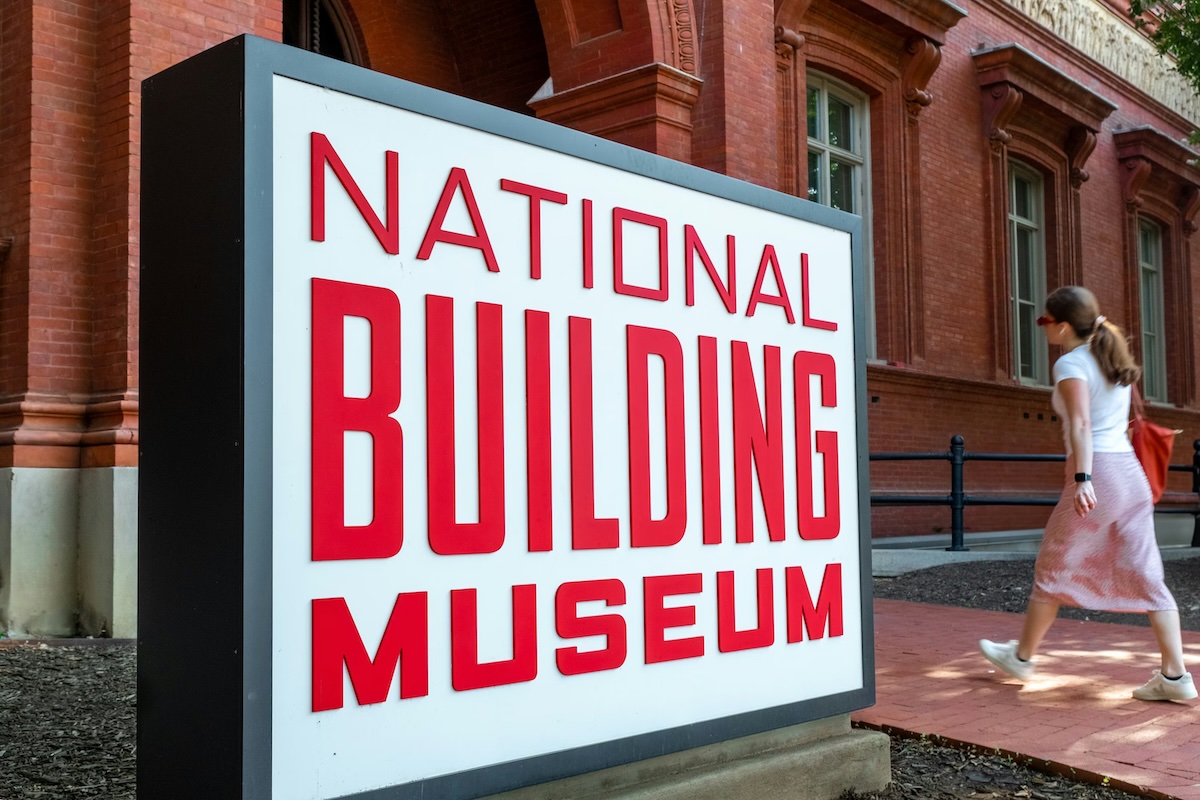
Pentagram redesignd das National Building Museum › PAGE online


Das National Building Museum in Washington, DC, erzählt eindrucksvoll von Design und Architektur und das in einem Gebäude, das selbst ikonisch ist. Das alles brachte Pentagram jetzt in dem neuen Auftritt des Museums zusammen.
Pentagram redesignd das National Building Museum › PAGE online

Wenn man schon das National Building Museum ist, dann muss man natürlich auch in einem besonderen Building untergebracht sein.

Und so befindet es sich seit mehr als 40 Jahren in dem historischen Pension Building, einem eindrucksvollen Backsteinkoloss aus dem 19. Jahrundert, der in Washington, DC, so bekannt ist wie das Ausstellungshaus selbst.

Man traut seinen Augen kaum, wenn man es betritt und plötzlich vor 23 Meter hohen korinthischen Säulen steht, während im Hintergrund ein großer Springbrunnen plätschert, und alles, mehrstöckige Säulengänge inklusive, im Stil der Renaissance gehalten ist.

Es sei einer der großartigsten öffentlichen Räume der Stadt, heißt es von Pentagram selbst.

Das Museum, das dort beherbergt ist, beschäftigt sich auf vielfältige Weise damit, wie unsere Welt gebaut und designt ist – und das jetzt mit einer bemerkenswerten Visual Identity, die von Michael Gericke von Pentagram New York und seinem Team entwickelt wurde.


Source link

Weiterlesen

Beliebt